
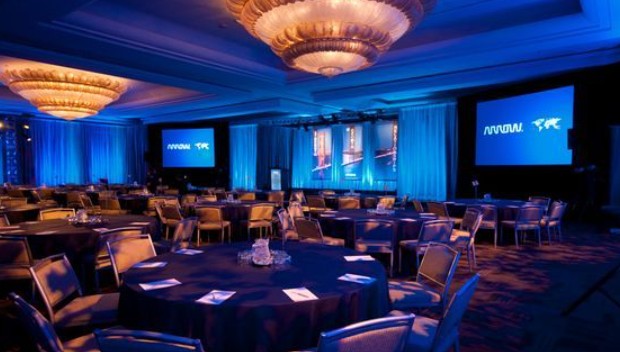
Planning security for high-profile or complex gatherings is far more involved than stationing a few guards at the door. Specialist Events, from sold-out concerts and international sporting fixtures to intimate award ceremonies and VIP private functions, each carry a distinct risk profile that demands careful, methodical preparation.
No two events are the same, and the factors that influence a security strategy are wide-ranging. Cover Security partners with event organizers, venue managers, and corporate clients to develop protection plans tailored to each event, not pulled from an off-the-shelf template.
In this section, we will cover the key elements our team considers when developing a robust security plan.
1. The Nature and Scale of the Event
The rest depends on the type of gathering you are hosting. The requirements for a charity gala with 80 guests are very different from those for a multi-stage music festival with 10,000 attendees.
We identify the event type early in the planning process to guarantee the appropriate level of resources, personnel, and technology.
Key event types we plan for include the following:
- Concerts and live music performances
- Corporate conferences and product launches
- Sporting events and stadium fixtures
- Award ceremonies and gala dinners
- Private Parties and exclusive VIP gatherings
2. Venue Layout and Site-Specific Risks
The physical environment of your venue is a key factor in shaping your approach to security. Whether you are working with an outdoor field, a historic manor house, or a modern arena, each space has its own vulnerabilities.
We conduct full site surveys before each deployment. This includes mapping access points, identifying blind spots, reviewing emergency exit routes, and assessing foot traffic during peak times.
“We know the layout inside and out and can put people in a proactive rather than a reactive position.”
3. Crowd Size and Audience Demographics
The number and type of security staff needed will be determined by the number and identities of the attendees. The crowd at an intense rock concert is very different from the guests at a black-tie corporate dinner.
We take into account the expected behavior of the crowd, the serving of alcohol, VIPs, and age groups in our calculations.
Considerations include:
- Anticipated crowd density and movement patterns
- Alcohol licensing and its effect on guest behaviour
- Presence of minors or vulnerable individuals
- VIP zones and separated access areas
4. Risk Assessment and Threat Intelligence
Any well-run security operation requires a structured risk assessment. We review potential internal and external threats and assess the likelihood and impact of each scenario before your event.
This is exactly where our Security Consultancy services add real value. We do not react to incidents as they occur but instead formulate proactive strategies that address the most credible threats specific to your event.
Threat intelligence may also include current local crime data, past incidents at the venue, protest activity, or the profiles of guests and performers attending.
5. Access Control and Credential Management
Controlling who comes in and who does not is one of the most basic components of specialist event security. One of the most common causes of security failures at large-scale gatherings is poor access control.
Depending on the complexity of your event, we implement layered access control solutions. These can include ticket checking and guest list management for private parties, as well as full wristband zoning, staff accreditation systems, and backstage passes for high-profile productions.
Access control measures may include:
- Manned entry and exit checkpoints
- Electronic ticket scanning and ID verification
- Colour-coded zoning and perimeter barriers
- CCTV integration and real-time monitoring
6. Staffing, Training, and Communication
Your security team is only as good as its training. Cover Security employs fully licensed, SIA-accredited personnel trained to handle a range of situations, from managing crowds and resolving conflicts to providing emergency medical assistance.
Just as important is a clear communication protocol among team members. Before every deployment, we establish clear radio channels, chain-of-command structures, and briefing procedures so the team operates as a single coordinated unit.
7. Legal Compliance and Licensing Requirements
“Operating a compliant operation is not a choice; it is a legal requirement. A range of controls regulates the security of events in the UK, including SIA licensing requirements, health and safety legislation, data protection laws (particularly where CCTV is used), and local authority conditions attached to event permits.”
We track all relevant legislation and advise our clients on the compliance requirements applicable to their particular situation. This is particularly important for Specialist Events operating in regulated venues or licensed premises.
Failing to meet these standards puts not only your attendees at risk but also your event license and your organization’s reputation on the line.
8. Emergency Planning and Contingency Protocols
No plan is complete without provisions for when things go wrong. Whether it is a medical emergency, a fire evacuation, a hostile intruder, or an unexpected crowd surge, your security team must be ready to act quickly and decisively.
We develop emergency response protocols in collaboration with venue management, local emergency services, and your event production team. For Specialist Events with complex logistics, tabletop exercises and pre-event briefings help all parties understand their roles before the first guest arrives.
Preparation at this level separates a well-run operation from a liability.
Plan Your Event Security with Confidence
Every gathering, however large or small, deserves a security strategy that has been carefully thought through. The factors above are just the starting point; each event brings its own nuances that require experienced judgment and precise planning.
Cover Security is here to provide exactly that. Whether you are coordinating a major festival or a discreet corporate function, our team brings the expertise, personnel, and processes to keep your event and attendees safe.
Get in touch with us today at Cover Security to discuss your upcoming event and learn how we can support your security planning.
FAQs
1. What factors are most important in specialist event security planning?
Key factors include event size, venue layout, crowd behavior, access control, risk assessment, staffing, legal compliance, and emergency planning.
2. Why is risk assessment important for specialist events?
Risk assessment helps identify potential threats before the event begins, allowing security teams to prepare proactive measures and reduce the likelihood of incidents.
3. How does venue layout affect event security planning?
Venue layout determines access points, blind spots, crowd movement, and emergency exit routes, all of which influence how security personnel are positioned.
4. What role does access control play in event security?
Access control ensures only authorized guests enter specific areas, using methods like ticket checks, ID verification, wristbands, and CCTV monitoring.
5. Why should professional security teams be used for specialist events?
Professional teams bring training, licensing, communication systems, and experience needed to manage risks, respond to emergencies, and maintain overall safety effectively.