
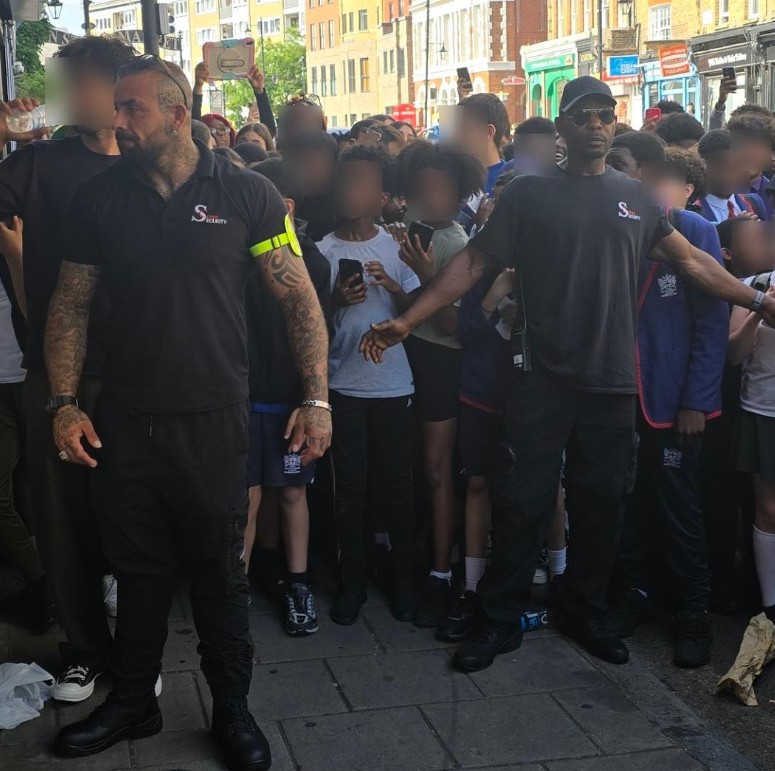
Planning a major event demands an exact balance of logistics, hospitality, and crowd control. A professional Crisis Response Team forms the backbone of any advanced operational plan, stepping in when standard stewarding cannot cope with emerging threats.
As planners and venue managers, we often focus on positive attendee experiences, yet we must remain realistic about potential vulnerabilities. When hundreds or thousands of people gather, minor incidents can quickly escalate into severe emergencies. In this comprehensive guide, we analyze the specific environments where a specialized team is mandatory, how these units mitigate risks, and why specific operational frameworks keep people safe.
Why Certain Events Carry Higher Operational and Safety Risks
Not all gatherings face the same threat profile. We analyze risks based on crowd dynamics, venue architecture, and the emotional temperature of attendees. When multiple risk factors overlap, standard security guards may be spread too thin, leaving the venue vulnerable to systemic failure.
We classify high-risk event environments using several distinct operational factors:
- Crowd Density and Friction: High concentrations of people packed into confined festival grounds or stadium concourses naturally generate physical pressure points.
- Alcohol and Substance Consumption: Venues serving alcohol face unpredictable behavior, reduced situational awareness among guests, and an increased likelihood of sudden physical altercations.
- High-Profile Targets: Events featuring political dignitaries, global executives, or controversial public figures draw deliberate outside disruption, protest, or targeted attacks.
- Complex Geography: Sprawling outdoor greenfield sites or multi-tiered indoor arenas present serious communication challenges and slow down local emergency medical service deployment.
Large Public Gatherings and Music Festivals
Large-scale public gatherings are among the most unpredictable operational environments we manage. Music festivals, community celebrations, and New Year’s Eve street parties draw massive crowds across vast areas, often making unified communication difficult.
The Challenge of Greenfield Sites and Open Access
Festivals often occur on temporary greenfield sites without permanent infrastructure. We must account for unpredictable British weather, muddy terrain, and temporary structures that can fail under stress. When a sudden storm hits or a fire breaks out near a main stage, thousands of people may panic and rush toward limited exits.
At Cover Security, we integrate specialized personnel into these spaces to monitor crowd movement, identify bottlenecks early, and manage dynamic emergency evacuations without causing widespread panic.
Real-World Scenario: The Sudden Summer Downpour During an outdoor music festival, a flash summer storm causes flash flooding near the secondary stage. As the crowd surges toward the covered main arena, the specialized response unit steps in to divert the flow, open secondary perimeter gates, and prevent a dangerous crush at the bottleneck.
Corporate Events and High-Risk Private Functions
Corporate annual general meetings, shareholder gatherings, and private executive retreats may seem low-risk on paper, but they carry distinct vulnerabilities. Intellectual property theft, protection of high-value assets, and targeted activist actions are major concerns for modern corporate organizers.
Protecting Corporate Assets and Executive Safety
When high-profile executives gather to discuss sensitive financial data or corporate restructurings, the event becomes a prime target for corporate espionage and aggressive demonstrations. Standard door supervisors lack the specialized training needed to handle sophisticated corporate security breaches or targeted blockades.
A dedicated Crisis Response Team establishes strict access-control perimeters, conducts room sweeps, and maintains covert extraction plans for VIPs if demonstrators breach the outer perimeter. We prioritize discretion in these environments, neutralizing threats quietly before they disrupt proceedings or damage corporate reputations.
Real-World Scenario: AGM Disruption An environmental advocacy group secures proxy tickets for a major energy firm’s annual general meeting. Midway through the keynote address, protesters glued themselves to the main stage. The specialized team deploys immediately, safely isolating the protesters and escorting the executive board to a secure holding area within seconds.
High-Capacity Entertainment Venues and Nightlife Districts
Nightclubs, indoor arenas, and multi-room entertainment complexes operate under a unique set of pressures. High-volume alcohol sales, low lighting, and loud acoustics make early threat detection exceptionally difficult for standard venue staff.
Managing Indoor Incidents and Structural Evacuations
In enclosed spaces, an isolated incident such as a kitchen fire, a fight on the dance floor, or a structural failure can trigger rapid panic and containment. Guests often instinctively try to exit through the same doors they entered, completely ignoring emergency fire exits and creating fatal crushes at the main entrance.
Our operational units are trained to handle internal structural crises. They work in tandem with venue technicians to control lighting, cut audio feeds, clear blocked corridors, and physically guide confused, intoxicated patrons to safe alternative exit routes.
Sports Events and Rivalry Matches
Stadiums and sports grounds host tens of thousands of passionate fans in highly charged emotional states. Local derbies, international tournaments, and high-stakes knockout fixtures bring out deep-seated rivalries that can easily spill over into tribal violence both inside and outside the stadium.
Segregation, Pyrotechnics, and Perimeter Control
Modern sports security requires meticulous segregation planning. When opposing fan bases cross paths due to poor routing, physical clashes occur quickly. Additionally, the illicit use of pyrotechnics and smoke flares inside the stands poses immediate fire and respiratory risks to families and spectators.
Our dedicated squads at Cover Security focus on rapid intervention, taking positions near high-tension lines and away-fan sections to spot agitators, isolate aggressive groups, and support local police during high-risk ejections.
Real-World Scenario: Stadium Gate Breach. Minutes before a major football match kicks off, a group of ticketless fans attempts to force open a turnstile. The quick-reaction squad moves to reinforce the physical perimeter, backing up the stewards, locking down the inner concourse doors, and preventing an uncontrolled crowd influx.
Political Gatherings, Rallies, and Demonstrations
Political summits, candidate rallies, and ideological demonstrations are inherently volatile. By their very nature, these gatherings attract intense media scrutiny, passionate supporters, and equally passionate counter-protestors, making them high-risk operational environments.
Maintaining Neutrality and De-escalating Tension
In political arenas, a security failure can have national implications. The risks of lone-actor attacks, concealed weapons, and coordinated civil disobedience require sophisticated intelligence gathering and immediate tactical responses. A dedicated Crisis Response Team monitors the perimeter for suspicious behavior, coordinates with state intelligence agencies, and manages the physical barrier lines separating opposing factions.
We train our teams to use advanced de-escalation techniques to reduce tensions before physical force becomes necessary, protecting both free speech and public safety.
Emergency-Prone and Remote Settings
Some events choose remote, extreme locations for their distinctive backdrops, such as desert festivals, mountain marathons, or offshore corporate retreats. These environments lack municipal infrastructure, leaving organizers completely self-reliant during a major emergency.
Self-Sufficiency and Medical Evacuation Planning
When the nearest hospital is an hour away via rural roads, an organizer cannot simply rely on dialing local emergency services. A severe medical issue, a venomous wildlife encounter, or a sudden weather shift can become critical before outside help arrives.
The specialized units we deploy to remote settings are multi-role, combining tactical security skills with wilderness first-aid training. They establish communication hubs, maintain dedicated emergency vehicles, and clear helicopter landing zones to handle critical casualties effectively.
Real-World Scenario: Extreme Trail Run Medical Emergency A competitor suffers severe heatstroke and collapses on a remote ridge during an ultra-marathon. The specialized mobile unit arrives on an all-terrain vehicle within minutes, stabilizes the runner, and coordinates a private medical extraction to a waiting ambulance miles away.
How a Specialized Response Unit Operates During Incidents
When an incident occurs, a Crisis Response Team follows a strict, rehearsed operational protocol to contain the situation. They do not act randomly; they function as a disciplined, unified force under a structured command framework.
The typical operational workflow during a major incident involves four clear phases:
- Detection and Triaging: Using CCTV monitoring, spotters, and radio networks to confirm an incident within seconds of occurrence.
- Containment: Deploying an immediate-reaction squad to isolate the affected area, preventing the incident from spreading to the wider crowd.
- Resolution: Utilizing tailored tactics, whether medical intervention, physical restraint, or structural securing, to defuse the core threat.
- Handover: Creating safe corridors to hand over individuals or situations to national police, fire, or ambulance services upon arrival.
At Cover Security, we know that preparation prevents catastrophe. By deploying an elite security framework, event organizers protect their investments, safeguard their reputations, and fulfill their duty of care to every individual entering the venue. Investing in specialist safety management remains the smartest decision any modern organizer can make.
Frequently Asked Questions (FAQs)
1. What is the main role of a Crisis Response Team at events?
A Crisis Response Team handles unexpected incidents such as medical emergencies, crowd surges, security breaches, or environmental hazards. Their role is to contain situations quickly, maintain order, and coordinate with emergency services when required.
2. How is a Crisis Response Team different from standard event security staff?
Standard security staff focus on routine duties like access control and general monitoring. A Crisis Response Team is trained to respond to higher-risk situations, using structured tactics to manage emergencies that go beyond everyday crowd supervision.
3. Do small events also need a dedicated crisis response setup?
Smaller events may not always require a full specialist unit, but they still benefit from having a basic emergency response plan. The need depends on factors such as crowd size, venue layout, and the nature of the gathering.
4. How quickly does a Crisis Response Team react during an incident?
These teams are positioned and briefed to respond immediately once an issue is identified. Their workflow focuses on rapid detection, fast containment of the affected area, and coordination with emergency services to reduce escalation.
5. Can a Crisis Response Team work alongside police and medical services?
Yes. They are designed to operate in coordination with police, ambulance crews, and fire services. Their job is to stabilize the situation first, create safe access routes, and support official responders once they arrive on site.