
Event security in the UK has changed more in the last eighteen months than in the decade before it. Public attendance is back to pre pandemic levels. Crowd safety has become a board level conversation after high profile incidents internationally. And from April 2026, the statutory guidance for Martyn’s Law has been published, signalling that thousands of UK venues and events will soon have legal obligations they did not have before.
Whatever you are planning, whether it is a private party, corporate gathering, music festival, product launch, or red carpet evening, security is no longer something you arrange a week before doors open. It is part of the event.
What Modern Events Actually Face
A serious event security plan today has to account for:
- Unauthorised access, including ticket fraud and queue jumping
- Aggressive or intoxicated behaviour
- Theft from guests and from production areas
- Crowd density and crush risk at pinch points
- VIP and talent safety
- Medical emergencies, from cardiac events to drug related incidents
- Lost children at family events
- Drone activity over outdoor venues
- Protest activity, including spontaneous activist disruption
- Social media incidents that escalate before the team on the ground knows about them
Most of these are manageable on their own. They become unmanageable when they happen at the same time and there is no one trained to coordinate the response.
What Professional Event Security Includes
Cover Security tailors event cover to the type and scale of the event. Depending on the brief, that can include:
- Entry management and ticket checking
- Guest screening and bag searches
- Crowd flow management and pinch point monitoring
- VIP close protection and talent escort
- CCTV monitoring, including temporary deployments
- Backstage and production area security
- Emergency response team coordination
- Asset and equipment protection overnight
- On site medics through our partnership with GWAS Ambulance
Every officer on site is SIA licensed. The size and structure of the team is built around the event, not the other way round. For fine art and fashion show events, we add specialist asset cover on top of the standard event team, since the work in the room is often the highest value thing on the guest list.
Risk Assessment, The Step Most Organisers Skip
Almost every event security failure traces back to one thing. The risk assessment was rushed, or it was done by someone who had never run that type of event before.
A proper assessment looks at venue layout, expected attendance, demographic of the crowd, alcohol service and timings, public visibility of the event, weather contingencies, transport access, and the political or news context the event sits in. It produces specific decisions: how many officers, where they stand, what they are watching for, when they rotate, who carries medical kit, who has radios, and who has the authority to pause or stop the event.
It is the difference between a plan and a hope.
Martyn's Law, What Organisers Need To Know
The Terrorism (Protection of Premises) Act 2025, known as Martyn’s Law, received Royal Assent in April 2025. In April 2026 the Home Office published the full statutory guidance. The law is not yet in force, with active regulation expected from spring 2027, but the framework is now known and organisers can prepare against it.
In short, the Act introduces two tiers. The standard tier applies to qualifying premises hosting 200 to 799 people. The enhanced tier applies to premises and qualifying events hosting 800 or more. Responsible persons will need to consider and document public protection procedures including evacuation, invacuation, lockdown, and communication plans. Enhanced tier duty holders will also need to consider physical and procedural measures to reduce vulnerability. The Security Industry Authority will act as the regulator.
A couple of points worth being clear about. The Home Office and the SIA have stated that organisers do not need to buy specialist compliance products to meet the requirements, and they have advised against any provider claiming otherwise. What organisers do need is a security partner who understands the operational side of the duties and can build them into an event plan that already works.
If you are planning a 2026 or 2027 event that will fall inside either tier, now is the time to start thinking about how your security plan will document and demonstrate those procedures.
Choosing The Right Provider
When you hire event security, the basics are:
- SIA licensed staff, with the licences in date
- Experience with similar events at similar scale
- A clear chain of command and radio plan
- Rapid response capability and trained medical cover available
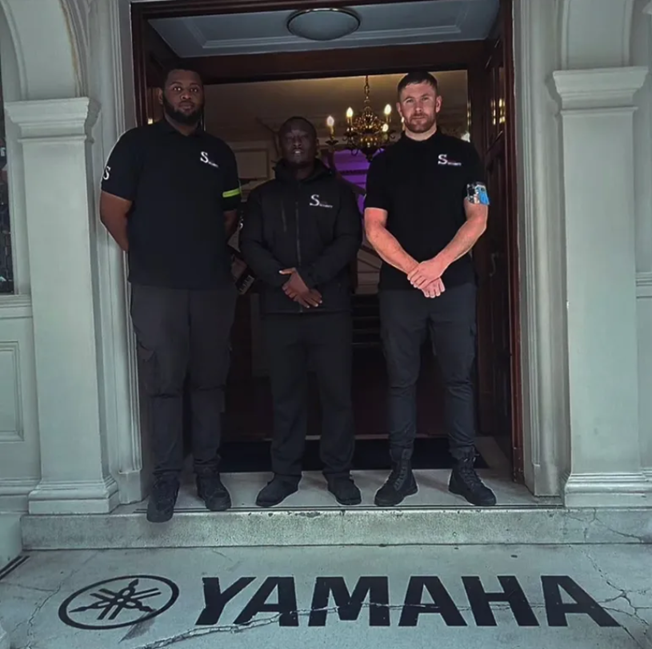
- Professional presentation, because the team is part of the guest experience
- A provider who asks more questions than they answer in the first meeting
The right security partner does not just react to problems. They help you prevent them before they happen, and they make the event run more smoothly because of it. It is worth reading what previous clients have said about how their events ran on the day.
Final Thoughts
Professional event security protects guests, staff, assets, and the reputation of the people putting the event on. In 2026, with regulatory change on the horizon and the public expectation of safety higher than it has ever been, treating security as a tick box exercise is no longer safe and no longer affordable.
Cover Security works on private parties, festivals, red carpet events, fine art and fashion shows, film sets, and tour dates across the UK. If you have an event coming up, we are happy to walk through what cover would look like. Call 07983 894601 or email callum@cover-security.co.uk.